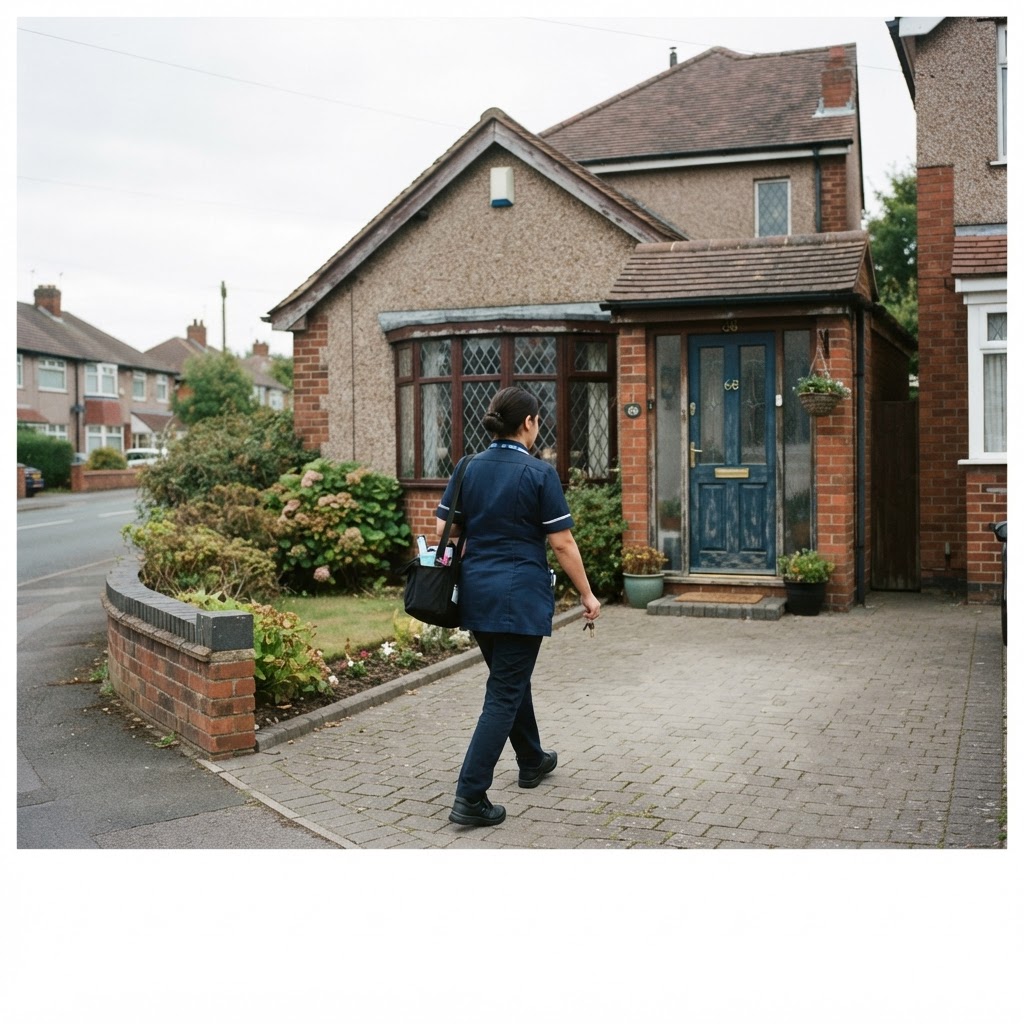
In the world of home care, we have developed a dangerous habit of treating safeguarding and lone working as two distinct operational silos. We write a robust safeguarding policy. We write a separate lone working policy. We issue them to staff, tick the acknowledgement boxes, and convince ourselves that we have created a safety net. The reality, as any experienced Registered Manager knows, is that the moment a carer closes a client’s front door, those two policies stop living on paper and start existing entirely in that individual’s judgment.
#
The Disconnect Between Policy and Reality
Inspectors are becoming increasingly adept at spotting this disconnect. Under the CQC’s Single Assessment Framework, specifically within the ‘Safe’ and ‘Well-Led’ key questions, they are not looking for the density of your policy manual. They are looking for the translation of your intent into the carer’s daily practice. If a lone worker encounters a safeguarding risk—a suspected abuse incident or an unexplained change in a service user’s home environment—does your policy provide a clear, instant pathway for action, or does it require them to search through a handbook while the situation escalates?
#
Moving Beyond Passive Knowledge
Most providers rely on static documents, yet safeguarding in a lone working context is a dynamic, high-pressure event. When a carer is standing in a living room at 8pm on a Tuesday, they do not have time to digest your corporate philosophy on dignity or safeguarding standards. They need to know exactly what to do next. The challenge for leadership is providing that bridge: turning a dense policy document into an immediate, actionable workflow that feels like a safety line rather than an administrative burden.
#
Proving Competence Under Pressure
Compliance is not just about having the right text; it is about evidencing that your team can apply it. The most sophisticated way to close the gap between your manual and your staff’s actions is to use tools that offer immediate, context-specific guidance. For instance, the ‘Ask PolicyNow’ feature allows a lone worker to receive an instant, policy-verified answer to a specific safeguarding query while in the field. By linking your internal policy library directly to this kind of interface, you don’t just ensure staff follow the rules—you create a timestamped, digital trail of that support, demonstrating to the CQC that you are actively governing your lone workers rather than just hoping they remember their training.
—
–
Find out how PolicyNow can help your organisation →