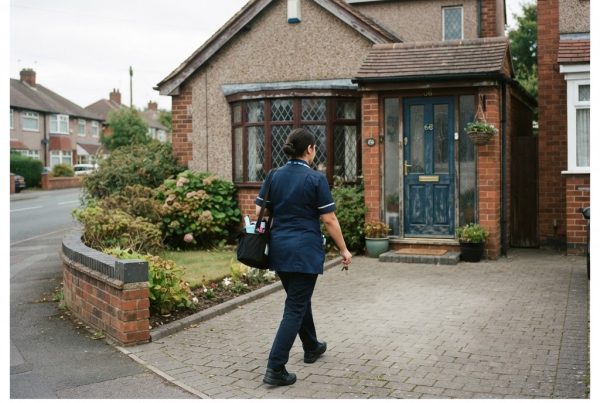

Running a home care agency in England means navigating a regulatory environment that has shifted significantly under the CQC Single Assessment Framework. Many providers still operate under the assumption that a ‘good’ service is defined by the quality of their paperwork binders. The reality is that inspectors are no longer looking for polished, static documents. They are looking for evidence of live, responsive, and person-centred systems that operate in real-time.
#
What CQC inspectors look for in domiciliary care
Under the Single Assessment Framework, the five key questions remain, but the focus has shifted toward the 34 Quality Statements. For home care, the ‘Safe’ and ‘Well-Led’ domains are critical. Inspectors want to see how you manage risks to individuals in their own homes, where you lack the physical oversight of a care home environment. They are specifically testing how your policies translate into staff behaviour when no supervisor is present.
It is not enough to show that you have a safeguarding policy or an infection prevention and control protocol. You must demonstrate that your staff actually know how to apply these in the specific, unpredictable context of a service user’s home. If an inspector asks a care worker about your whistleblowing or safeguarding procedures during a spot check, and they cannot articulate them, the fact that you have a signed policy document on file becomes irrelevant.
#
Proving compliance without administrative overload
For many Registered Managers, the struggle is proving that staff have read and understood policies without resorting to the flawed ’email and hope’ approach. When you rely on paper sign-offs or mass-distributed emails, you lose the ability to prove actual comprehension. This is where many services fall down during a well-led inspection; they can show the policy, but they cannot prove the workforce understands it.
To move away from this, providers should focus on systems that capture evidence of engagement. This means moving toward digital platforms that can provide timestamped logs of policy acknowledgement and, more importantly, evidence of understanding through comprehension checks. When a change is made to a medication administration record policy or a person-centred care plan template, you need to be certain that every relevant member of staff has not just clicked ‘agree’, but has understood the shift in requirements.
#
Effective CQC inspection evidence for home care
Evidence for the CQC is best generated as a byproduct of your daily operations, not as an afterthought designed for an inspector’s visit. If your staff can access policy guidance at the point of need—while they are in a client’s home—you are doing more than just ‘checking a box’. You are providing them with the support they need to maintain high standards of care delivery.
Features such as QR-code-linked policy access or AI-driven policy search tools can transform how staff interact with your procedures. By ensuring that your staff have the right information at the right time, you are building a culture of compliance that is far more resilient than any static document. When you can show an inspector exactly how your policies are used by staff on the ground, you shift the conversation from ‘have you written a policy?’ to ‘how do you ensure safe, high-quality care?’
—
–
Find out how PolicyNow can help your organisation →
References & Further Reading
- https://www.legislation.gov.uk/uksi/2002/3214/made
- https://www.gov.uk/find-licences/domiciliary-care-service-registration-ni
- https://www.cqc.org.uk/
- https://www.legislation.gov.uk/nisr/2007/235/contents/made
- https://www.cqc.org.uk/guidance-regulation/providers/regulations-service-providers-and-managers/service-types