
In the intricate landscape of healthcare regulation in England, CQC inspections can feel daunting. For hospices, where the provision of compassionate, high-quality care is paramount, maintaining compliance and being inspection-ready often requires a level of diligence that can stretch resources thin. Inspectors want to see evidence not just of policies, but also of lived practices that embody those policies. The challenge lies in proving adherence to policies amid the fast-paced, emotionally charged environment of hospice care.
The Compliance Challenge
During an inspection by the Care Quality Commission (CQC), the focus often goes beyond policy documents; it extends into the realm of implementation and evidence. For hospices, this means demonstrating not only that policies are robust but that staff understand and are following them consistently. When an inspector asks, “How do you know your staff are adhering to your safeguarding policy?” it’s insufficient to respond just with documents. You need to present clear, verifiable evidence of compliance.
The reality is that gaps can exist between what is written and what is practised. It’s often easy for frontline staff to overlook policy updates or misunderstand the nuances of complex documents. Without effective management systems, compliance can easily fall between the cracks, putting your organisation at risk during an inspection.
The Importance of Version Control
Full Version Control & ‘What Changed’ becomes an essential component in maintaining compliance. Every hospice has a plethora of policies that evolve with changing regulations — from safeguarding measures to clinical protocols. Keeping track of updates can be overwhelming, particularly when considering that staff turnover and busy schedules often lead to gaps in knowledge about current practices. An efficient version control system retains snapshots of each policy, allowing both managers and staff to see what has changed over time. This not only provides clarity but ensures that everyone is on the same page, especially regarding critical compliance requirements.
When a policy is amended, staff can view the exact changes made side by side with the previous version. This fosters transparency and aids in staff recognition of the updates, thereby reinforcing compliance and reducing the likelihood of confusion. In a hospice setting, where care often involves sensitive decisions, having absolute clarity on policies ensures that staff are equipped to make the right choices for patients in their care.
Tracking Compliance Over Time
In addition to version control, the Compliance Gap Action List & Trend Timeline functionality offers a dynamic approach to compliance management. This feature highlights any areas where compliance is lacking, generating specific actions needed to address these gaps. A visual timeline allows managers to track improvements in compliance over time, presenting a clear picture of how well the organisation is meeting regulatory standards. This data-driven approach not only provides evidence for inspectors but also cultivates a culture of continuous improvement within the organisation.
For hospices, showcasing a commitment to ongoing compliance is crucial. Inspectors gravitate towards organisations that can transparently demonstrate how gaps have been identified, addressed, and monitored. A robust tracking system translates into a significant advantage when it comes to inspections — it tells a story of diligence, care, and a proactive approach to governance.
Preparing for CQC Inspections with Confidence
Effective preparation for CQC inspections requires more than just well-written policies. It necessitates a systematic approach to compliance that ensures policies are not only in place but are actively being used and understood. By utilising tools that incorporate both version control and compliance tracking, hospices can navigate the complexities of CQC inspections with greater confidence.
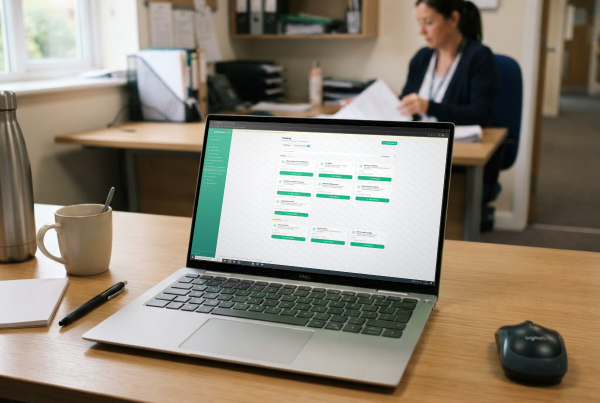
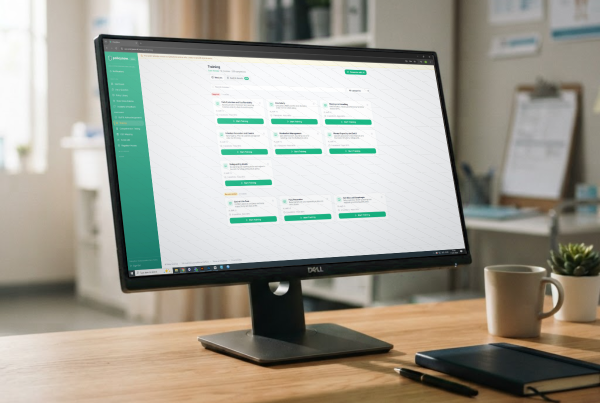
PolicyNow, a governance intelligence platform designed specifically for healthcare providers, can facilitate this process. With features like Full Version Control and a Compliance Gap Action List, PolicyNow supports hospices in managing their policies effectively, ensuring that compliance is documented and evident. By harnessing such technology, hospice managers can focus more on what they do best: providing empathetic and skilled care to their patients.
Utilising these tools not only benefits compliance but ultimately enhances care quality, the core mission of every hospice. Visit https://policynow.uk to see how you can transform your approach to inspection preparation and compliance in your organisation.
In summary, as hospices face the ever-evolving landscape of healthcare regulations, embracing technology like PolicyNow can bridge the compliance gap and ease the rigours of CQC inspections. Proactivity in this space will not only satisfy regulatory demands but will also foster an environment where staff feel supported and patients receive the care they deserve.
—
Find out how Policy Now can help your organisation →
References & Further Reading
- https://www.cqc.org.uk/sites/default/files/20200212_Sector_specific_guidance_framework_Hospices_for_adults_v1.pdf
- https://www.cqc.org.uk/guidance-regulation/providers/assessment
- https://www.cqc.org.uk/sites/default/files/20200212_Sector_specific_guidance_Hospices_for_children_and_young_people_v1.pdf
- https://www.gov.uk/government/calls-for-evidence/review-of-cqc-regulation-9a-visiting-and-accompanying-in-care-homes-hospitals-and-hospices/review-of-cqc-regulation-9a-visiting-and-accompanying-in-care-homes-hospitals-and-hospices
- https://www.cqc.org.uk/location/1-122624658/reports/AP13142/overall/safe
- https://www.cqc.org.uk/sites/default/files/Next%20Phase%20CHS%20End%20of%20life%20Core%20Service%20framework.pdf
- http://mg.wakefield.gov.uk/documents/s70095/cqc_council_scrutiny_briefing_20150311.pdf