
Most compliance software is built for the manager and merely tolerated by the staff. We decided that was the wrong way to solve the problem.
When you build a tool that only serves the person asking for evidence, you create a friction-heavy system. Staff see it as an administrative hurdle, a chore to be completed. Managers see it as a constant battle to get people to click ‘read’ on a document. It is a lose-lose situation masked as governance.
I built PolicyNow on a different premise: the mutual benefit principle.
If the software helps the frontline staff member do their job better, they will actually use it. If the software is genuinely useful for them, the evidence of that use—the audit trails, the query logs, the policy acknowledgements—happens as a natural byproduct of their work.
We split the platform into two distinct experiences sharing one source of truth.
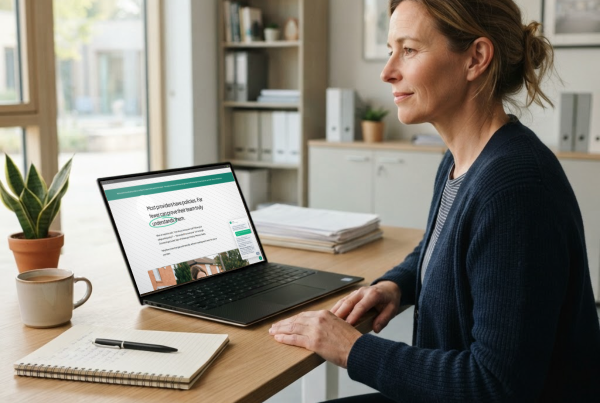
Frontline staff get a mobile-first, clean interface. When a carer has a question at 11pm about a specific procedure, they don’t dig through a folder. They hit the voice-first ‘Ask’ button. They get an instant, policy-backed answer. It saves them time, reduces their stress, and gives them confidence in the moment.
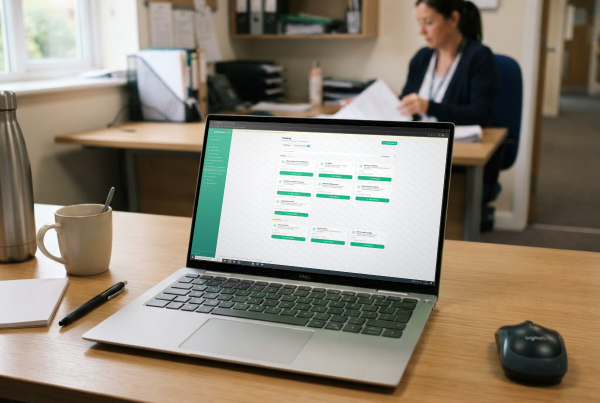
Managers get the powerful governance view: readiness scores, regulator mapping for the CQC, Care Inspectorate, HIS, HIW/CIW, and RQIA, and fully exportable audit trails.
These two experiences are not in tension. They are mutually reinforcing.
When a staff member gets the help they need, the system logs the interaction. The manager gets the continuous, trustworthy evidence they need for their next inspection, without asking the staff to fill out a single extra form.
Software should signal, and people should decide. By giving the frontline a tool they want to use, we automatically create the evidence base that leaders require to demonstrate compliance.
Simple for staff. Powerful for leaders.
Come and see how it works at policynow.uk.