Understanding CQC Inspection Readiness
CQC inspections are a reality for all care homes in England. While they can often feel daunting, understanding the nuances of what the Care Quality Commission is looking for can turn inspections from a source of anxiety into a platform for showcasing your service’s excellence.
The Importance of the Five Key Questions
At the heart of the CQC’s Single Assessment Framework are five key questions: Is it safe? Is it effective? Is it caring? Is it responsive? Is it well-led? These are the yardsticks against which your service will be measured, and they require a proactive approach, rather than a reactive one.
Safe: Going Beyond the Basics
When it comes to safety, it’s not just about having policies in place; it’s about regular, structured training for staff on those policies. Ensure your safeguarding policy is not just acknowledged but understood. When an inspector asks, “How do you know your staff follow your safeguarding policy?”, your answer should be backed up with tangible evidence — training logs, audits, and feedback mechanisms.
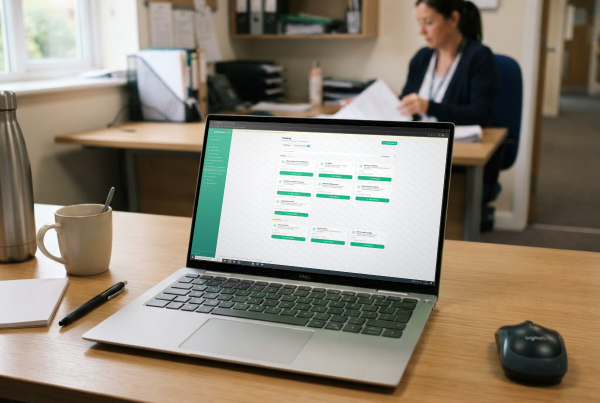
Implementing a feature like Staff Acknowledgements & Audit Trail can help provide evidence of staff engagement with policies, showing that every member understands key protocols and where to find them when needed. This is critical in demonstrating accountability and diligence.
Effective: The Need for Quality Evidence
Effectiveness hinges on both quality of care and outcomes. Are there systems in place to measure the impact of care received? Regular audits and performance evaluations of care delivery are essential. Furthermore, consider mapping each of your policies to the CQC’s Quality Statements. This ensures you’re not just compliant by the book, but actually delivering outcomes that resonate with the Quality of Care indicators.
Caring: Cultivating a Positive Culture
The ‘Caring’ aspect of the inspection doesn’t rely solely on the policies, but on the ethos that radiates from every corner of your care home. Have mechanisms to gather feedback from service users and their families. This includes regular surveys and open forums where feedback is not only welcomed but acted upon. Incident & Feedback Reporting systems can surface trends and facilitate ongoing improvement.
Responsive: Anticipating Needs
A responsive service anticipates rather than reacts to concerns. This is where Incident Reporting comes into play. Regularly review incident reports and use them to analyse trends. If a particular concern arises frequently, consider revising training or policies in that area. Your documentation should reflect the journey from incident reporting to responsive changes in care practices.
Well-Led: Strong Leadership is Key
Inspection readiness requires robust governance underpinned by strong leadership. Ensure your leadership team is engaged with frontline staff; this will not only help in understanding the challenges they face but also promote a culture of transparency and trust. Regularly revisiting governance policies and involving staff in discussions can nurture a well-led service environment.
Ready for Inspection: A Culture, Not Just a Checklist
Being ready for CQC inspections is ultimately about fostering a culture of continuous improvement and accountability throughout your care home. It’s about integrating compliance into the very fabric of daily operations rather than seeing it as a checklist that you tick off when the inspector arrives.
Conclusion
Prepare continuously rather than cramming for inspection. By embedding a culture of compliance where policies are not just paperwork, but living documents that guide daily practice, you’ll stand the best chance of not just meeting, but exceeding CQC expectations.
For all the intricacies involved in maintaining compliance, platforms like Policy Now can be invaluable. Features such as Compliance Gap Action Lists and Audit Trails can support your preparation, ensuring nothing falls through the gaps as you strive for excellence in care.
Find out how Policy Now can help your organisation →
References & Further Reading
- https://www.skillsforcare.org.uk/Support-for-leaders-and-managers/Good-and-outstanding-care/Preparing-for-CQC-assessment.aspx
- https://www.cqc.org.uk/about-us/how-we-do-our-job/planning-assessments
- https://www.cqc.org.uk/guidance-regulation/providers/assessment
- https://www.skillsforcare.org.uk/Support-for-leaders-and-managers/Good-and-outstanding-care/Inspection-toolkit.aspx
- https://www.cqc.org.uk/