
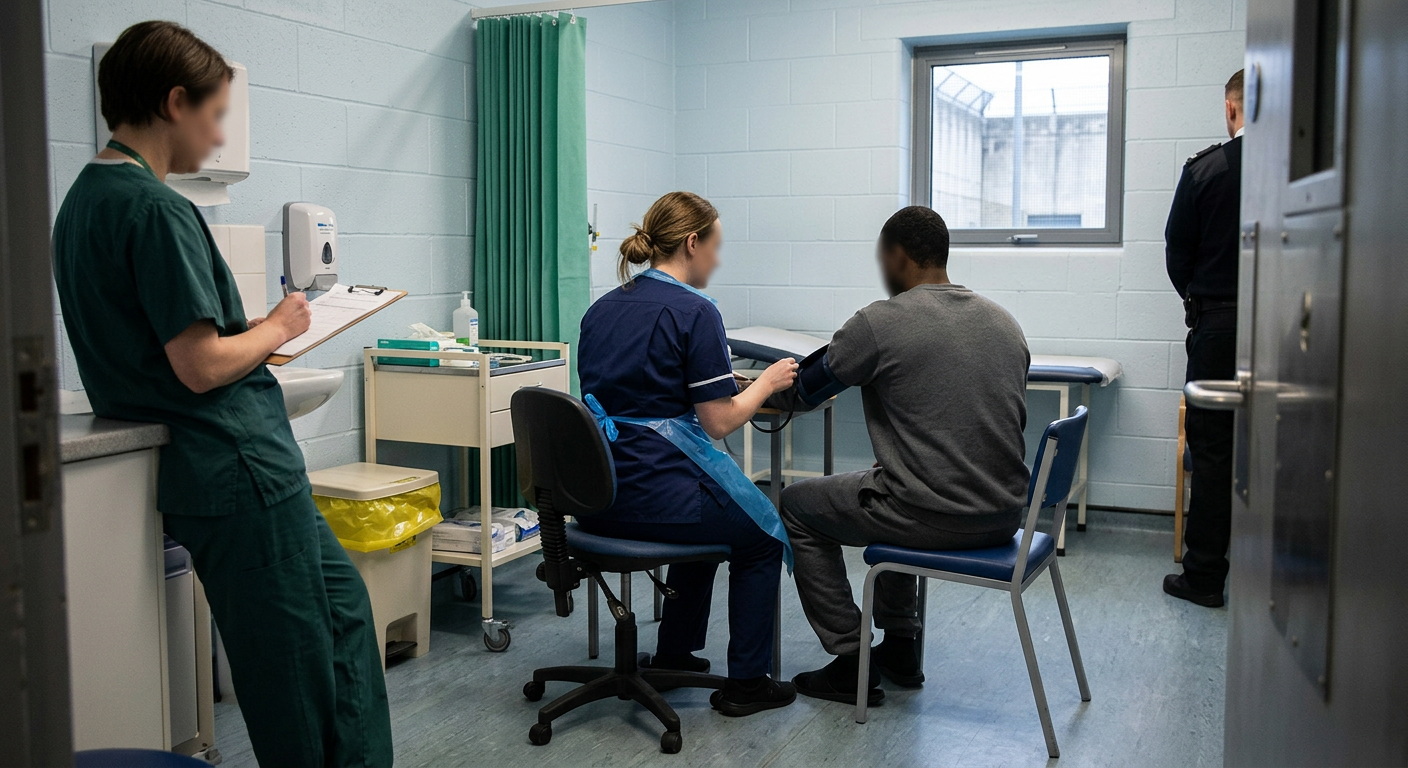
The state of healthcare within England’s prisons and detention centres is a pressing concern that demands immediate and substantial reform. Despite existing frameworks and agreements, the reality on the ground often falls short of providing detainees with the standard of care they are entitled to.
The Current State of Affairs
The National Partnership Agreement for Immigration Removal Centre (IRC) Healthcare in England 2022–2025 outlines a commitment to deliver healthcare services that are “commensurate to standards of community services, appropriate to their needs and reflecting the circumstances of detention.” (england.nhs.uk) However, reports indicate that this commitment is not consistently realised. Instances of inadequate healthcare include short consultations, late and inadequate screenings, poor use of interpreters, and lack of adherence to clinical protocols. (medicaljustice.org.uk)
The Impact of Austerity Measures
The implementation of austerity measures has led to a reduction in the prison workforce without a corresponding decrease in the prison population. This policy has negatively affected healthcare in English prisons, resulting in limited access to healthcare services for prisoners and delayed treatments that pose serious health implications. (bristol.ac.uk)
The Need for a Whole-Prison Approach
The Health and Social Care Committee has recommended that CQC assess the range of services provided in prisons, including mental health, physical health, substance misuse, and dentistry, against their five key questions: safe, effective, caring, responsive, and well-led. (publications.parliament.uk) This approach underscores the necessity for a comprehensive evaluation of healthcare services within secure settings.
The Way Forward
To address these challenges, it is imperative to implement reforms that ensure detainees receive healthcare services equivalent to those available in the community. This includes improving mental health services, ensuring continuity of care, and addressing the broader determinants of health. Additionally, there is a need for robust data collection and sharing between partners to support continuity of care and the development of effective health outcome measures. (england.nhs.uk)
In conclusion, while existing frameworks and agreements provide a foundation for healthcare in prisons and detention centres, the current state of affairs indicates a significant gap between policy and practice. Genuine reform is necessary to ensure that detainees receive the standard of care they deserve.
Find out how Policy Now can help your organisation →