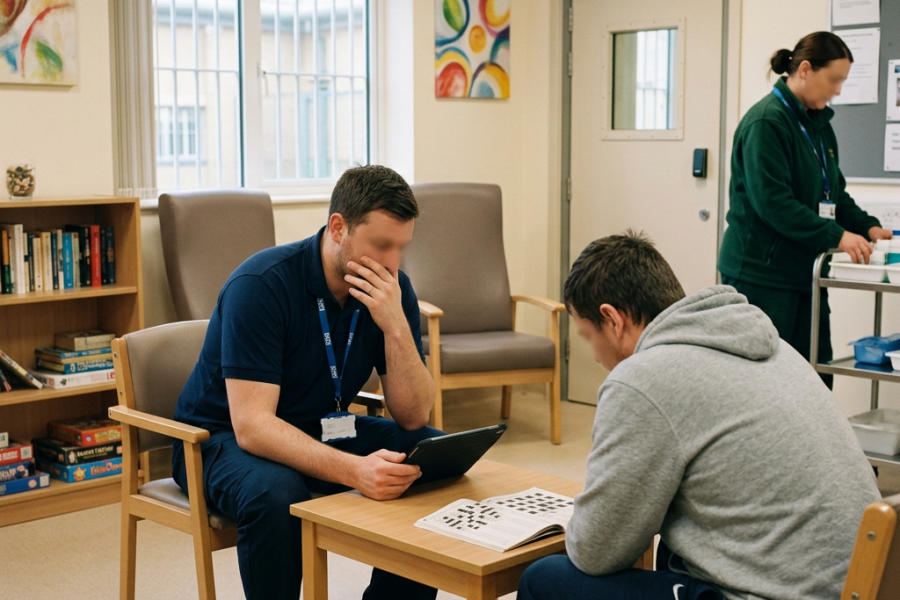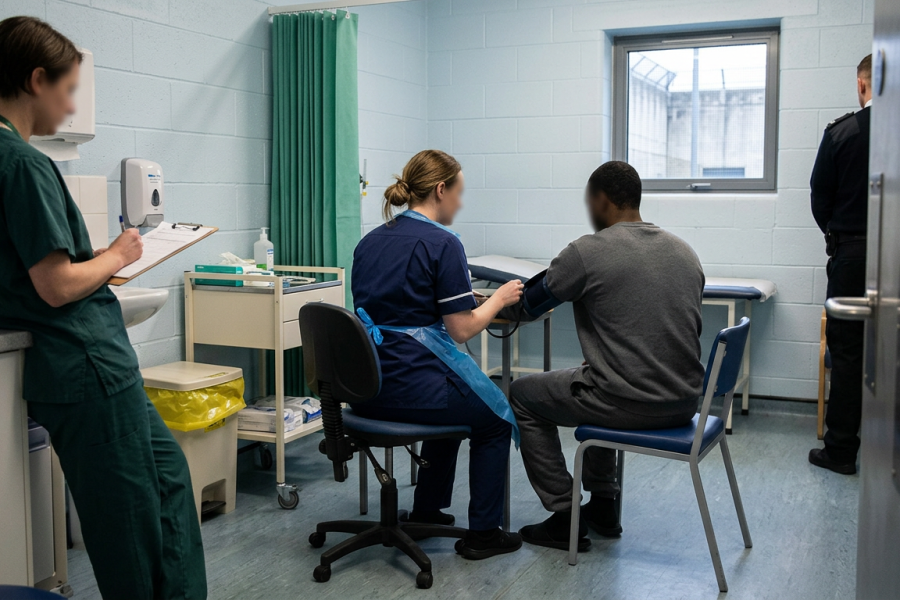

In recent months, the Care Quality Commission (CQC) and Her Majesty’s Inspectorate of Prisons (HMIP) have moved toward conducting joint inspections of secure settings, including prisons and secure hospitals. This shift marks a significant change in how care quality and safety are evaluated in environments that intersect justice and healthcare.
Historically, these institutions have operated under distinct regulatory frameworks — CQC focusing on healthcare quality and HMIP on the conditions of detention. Yet, the overlapping nature of care in these settings necessitates a more integrated approach. This evolution in inspection methodology reflects a growing recognition that compliance cannot be viewed in isolation; the care provided in such environments is inextricably linked to the human rights and fundamental dignity of individuals in custody.
What’s Different?
The joint inspections mean that providers of secure settings must prepare for scrutiny that encompasses broader facets of care than previously considered. CQC’s mandate to promote safe, effective, compassionate, and high-quality care now must consider HMIP’s lens on the broader human experience of individuals within detention. Providers should anticipate that inspectors will be looking for signs of:
-
- Integrated Care Approach: Are health services coordinated with safety and rehabilitation efforts?
-
- Cultural and Environmental Conditions: Do living conditions support mental and physical well-being?
- Respect for Rights: Are patients’ rights upheld and their voices heard during care delivery?
Implications for Providers
For Registered Managers and Nominated Individuals, this means adapting not only service delivery but governance structures to accommodate the new framework of joint inspections. It calls for stronger partnerships between healthcare staff and prison management teams. The responsibility is on providers to ensure that health and social care standards are not only met but also continually monitored in a collaborative environment.
It challenges current practice to integrate day-to-day operations with overarching human rights principles. Therefore, flaws in staff training, documentation, or even individual care plans could become evident areas of concern during such inspections.
Moving Forward
Preparation for these joint inspections cannot be a last-minute rush; it demands ongoing engagement with both the healthcare and prison operational teams. Utilizing effective policy management systems can support compliance efforts. Digital tools, like those that generate audit-ready logs and role-specific policy summaries, can offer staff the necessary information on policies at their fingertips.
Those who work in these environments need to understand the broader implications of the joint inspections and the expectations that will accompany them. Providers that take the time to reassess and realign their practices with the joint inspection framework will be better positioned for successful outcomes.
In conclusion, the advent of joint CQC and HMIP inspections represents not just a regulatory change, but an opportunity for a profound shift towards integrated health and justice services where quality care and human dignity can thrive.
Find out how Policy Now can help your organisation →