Introduction
In an increasingly complex healthcare environment, fostering a culture of safety is paramount. In primary care settings, one of the most significant challenges remains the effective reporting of incidents and near-misses. The reality is that the fear of repercussions or perceived ineffectiveness in reporting can inhibit frontline staff from sharing valuable insights that could enhance patient safety and service quality.
When incidents go unreported, organisations miss critical opportunities for learning and improvement. This isn’t merely a compliance issue; it can lead to devastating outcomes for patients and undermine trust within the team. Understanding how to embed an incident reporting culture is vital. It’s not just about the act of reporting itself; it’s about transforming the perception of what it means to report incidents within your team.
The Challenge of Reporting Incidents
Many healthcare professionals hold a resigned view of the incident reporting process. They often perceive it as bureaucratic, leading to an ever-growing mountain of paperwork with little tangible outcome. This feeling can be exacerbated in primary care environments where the urgency of patient care often overshadows compliance obligations. Consequently, real-time data about near-misses is frequently lost. Falling short in this area can expose services to scrutiny from regulatory bodies, such as the Care Quality Commission (CQC).
For Registered Managers and compliance leads, the challenge stretches further. You may find that your team is hesitant to disclose minor incidents, believing they might not contribute to any useful change. This culture can cultivate an acceptance of risk rather than inspire a proactive approach to safety. Therefore, it’s essential to highlight the value behind the data collected and how it translates into improved patient outcomes and enhanced service practices.
Creating a Safe Space for Reporting
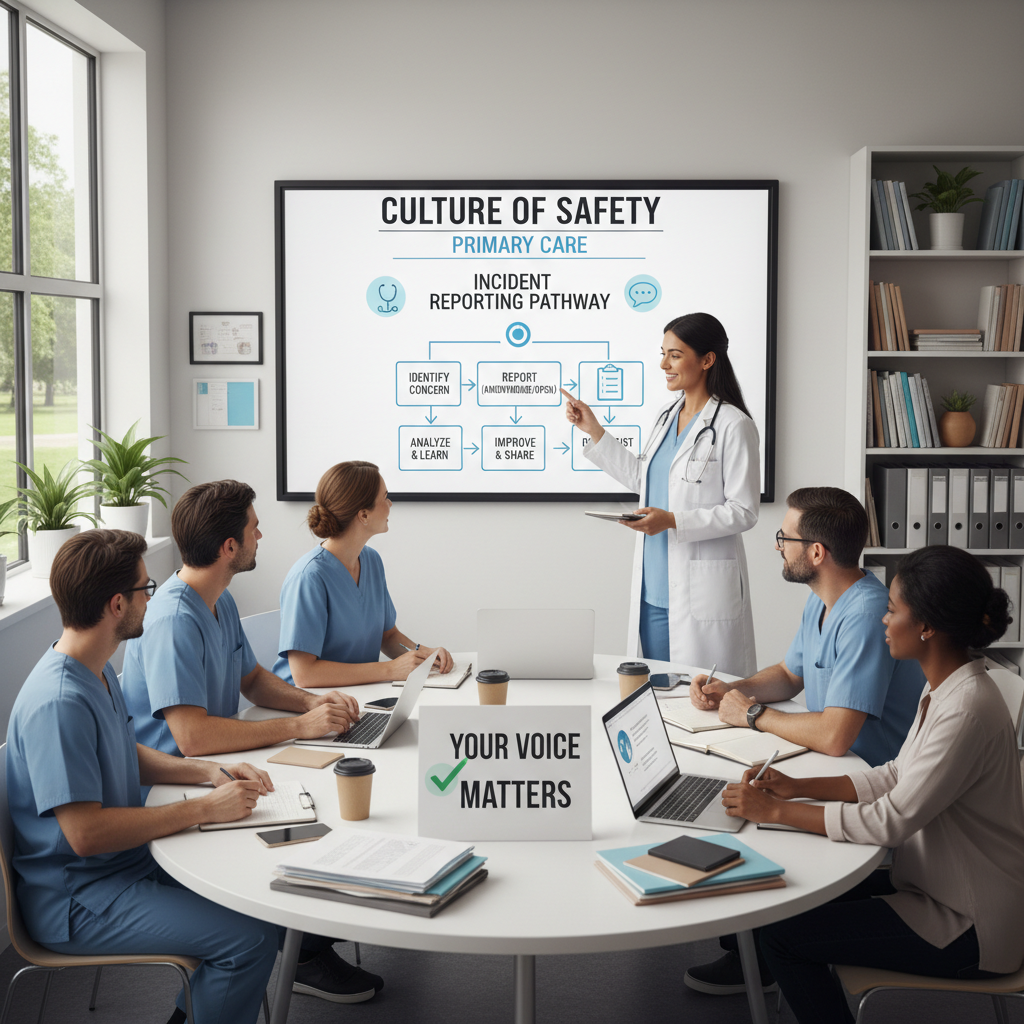
To cultivate an environment where staff feel comfortable reporting incidents, organisations need to create a safety net where learning is prioritised over punishment. Encouraging team discussions and fostering transparency can shift the narrative surrounding incident reporting from one of fear to one of growth.
Incorporating regular training sessions aimed at demonstrating how near-misses can translate into improved practices is essential. Use anonymised case studies to show the benefit of reporting—drawing parallels between incidents and the consequential changes made in similar situations that led to better patient safety and care standards.
How PolicyNow Supports Compliance
This is where PolicyNow’s Compliance Gap Action List functionality becomes invaluable. By automatically generating specific, actionable tasks for every identified compliance gap, it allows organisations to maintain oversight of where they stand in terms of incident reporting practices and culture. Each incident logged can trigger subsequent steps, demonstrating accountability and a commitment to continuous improvement.
When an incident or near-miss is reported, the Compliance Gap Action List ensures that an action plan is crafted and monitored closely. Moreover, as gaps close and the action list updates itself, organisations gain insights into patterns and persistent issues that require attention. This corrective approach can help transform the initial reluctance to report into an active commitment to creating a safer primary care environment.
Support staff can also benefit from the Staff Policy Acknowledgements feature. By clearly communicating policies related to incident reporting, and ensuring staff have read and acknowledged them, providers can cement an understanding of their importance. Leading to higher transparency within the practice can, in turn, foster an atmosphere where reporting becomes a shared responsibility rather than an individual burden.
Building a Culture of Continuous Improvement
Another layer to consider is using Governance Intelligence Panel insights available through PolicyNow. When combined with a robust reporting culture, insights derived from trends and patterns in incident reporting can inform future training and policy adjustments. This creates a loop of continuous feedback and learning where staff members feel their inputs are valued and essential to the service’s improvement.
Implementing an incident reporting culture doesn’t happen overnight; it is a gradual process that requires commitment at all levels of the organisation. However, with the right mechanisms in place, such as those offered by PolicyNow, transforming the culture around reporting can lead to a safer yet more productive environment for both staff and patients alike.
Conclusion
The challenge of incident reporting in primary care is multifaceted but not insurmountable. By nurturing an environment that prioritises learning and improvement, care providers can not only minimise risks but also maximise the potential for enhanced health outcomes. With the help of PolicyNow’s capabilities, including the Compliance Gap Action List, organisations are equipped to tackle these challenges head-on. This commitment to continuous improvement ensures that every reported incident contributes to a vision of safer, more effective primary care.
Find out how Policy Now can help your organisation →
References & Further Reading
- https://www.cqc.org.uk/guidance-providers/gp-services/guidance-providers-gp-practices
- https://www.gov.uk/government/publications/near-misses-reports
- https://www.nice.org.uk/guidance/ng46/chapter/Recommendations
- https://www.kingsfund.org.uk/publications/reporting-and-learn-systems
- https://www.skillsforcare.org.uk/skillsforcare.org.uk/learn-from-the-best/Learning-from-incidents.aspx