
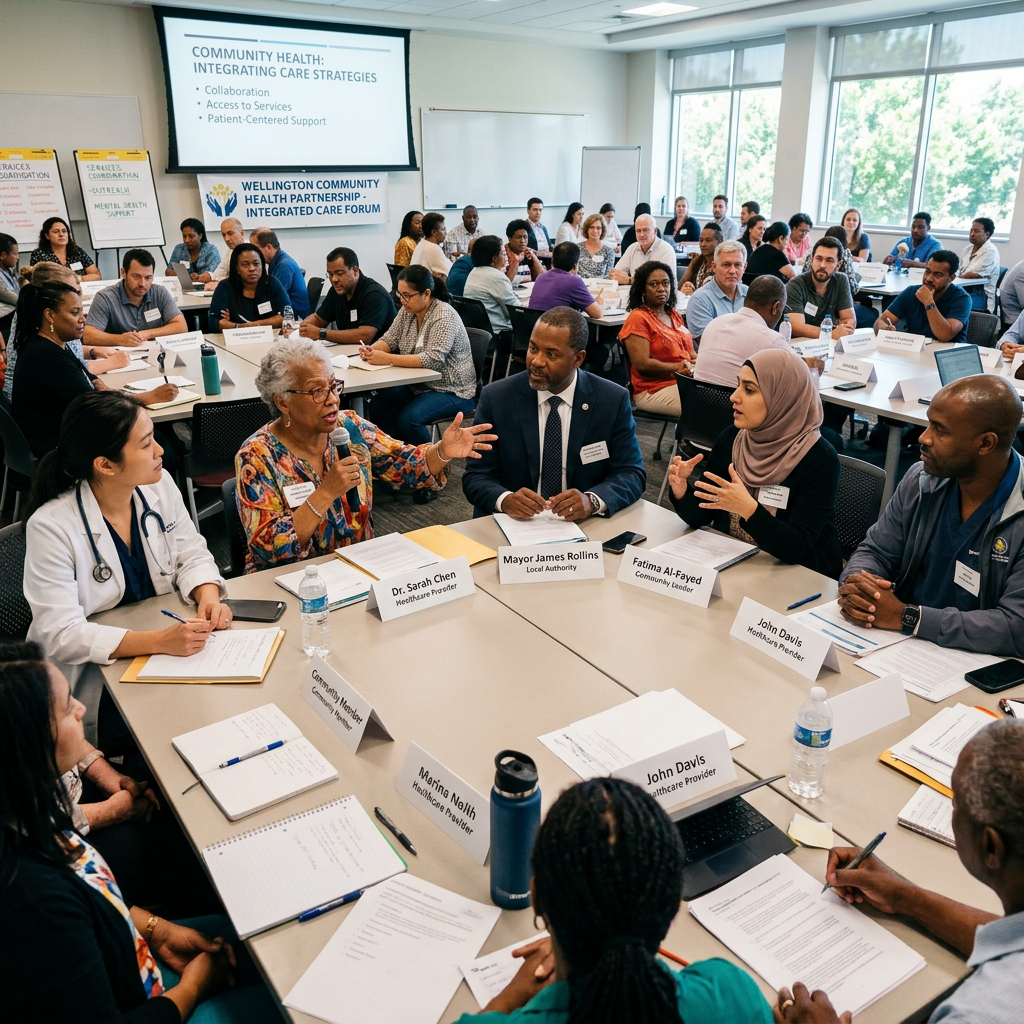
Historically, many healthcare providers have seen Health and Wellbeing Boards (HWBs) as somewhat peripheral to their core operations. However, the evolving landscape of integrated care in the UK mandates a serious reconsideration of this perspective. HWBs, formed from local authorities, NHS organisations, and other partners, are crucial in orchestrating a collaborative approach to health and social care, improving community health outcomes through strategic alignment and shared resources.
As integrated care systems (ICS) take center stage, the role of HWBs becomes even more pivotal. They serve as the bedrock for local governance, ensuring that health priorities reflect the needs of the community. A strong HWB can drive the integration of diverse services, allowing for a seamless experience for service users and more effective interventions.
Recent shifts in legislation and policy, particularly those linked to the NHS Long Term Plan, emphasise the need for local partnerships that prioritise preventive care, mental health, and social determinants of health. This newly intensive focus shifts HWBs from mere advisory roles to essential facilitators of change, requiring them to engage deeply with local stakeholders and identify systemic gaps in care.
Notably, the lessons learned during the COVID-19 pandemic – such as the importance of agility in resource allocation and community engagement – have further underscored the value of robust HWBs in navigating crises. As care providers, understanding how to leverage the insights and data generated from these boards can prove invaluable in tailoring services to be responsive to local needs and regulatory expectations.
For registered managers and operational leads, engaging with HWBs is not just about compliance; it’s about being at the forefront of improved health outcomes and ensuring the sustainability of care services. Therefore, strengthening relationships with your HWB should be seen as a strategic priority moving forward.
However, directly linking your organisation’s policies and operational execution to the insights gleaned from HWBs can present challenges. This is where specific tools like Policy Now’s Role-Specific Policy Summaries come into play. These summaries allow staff members to obtain tailored information pertinent to their roles, directly connecting them to the initiatives encouraged by the HWBs. For instance, if a refresh of the local health strategy comes from an HWB meeting, staff can quickly access updated policies related to mental health interventions or community engagement efforts, ensuring that everyone is aligned in implementing best practices.
Moreover, the AI policy Q&A feature provides a direct channel for staff to query how recent changes in the integrated care landscape relate to their daily work. This not only streamlines compliance but fosters a culture of awareness and responsiveness in your organisation. By connecting the dots between local governance initiatives and operational policies, your team can more effectively contribute to integrated care efforts that truly meet community needs.
In conclusion, as we navigate an increasingly integrated care environment, Health and Wellbeing Boards will not only influence service design but will also hold the key to better health outcomes. Embracing the strategic insights they provide is essential for CQC compliance and for establishing your organisation as a leader in community health.
References & Further Reading
- https://www.gov.uk/government/publications/health-and-wellbeing-boards
- https://www.england.nhs.uk/integratedcare/
- https://www.cqc.org.uk/guidance-providers/registered-managers/what-good-leadership-looks
- https://www.kingsfund.org.uk/publications/health-and-social-care-integration-what-next
- https://www.nice.org.uk/guidance/conditions-people-both
- https://www.skillsforcare.org.uk/Leadership/Health-and-wellbeing/Health-and-wellbeing-boards.aspx