
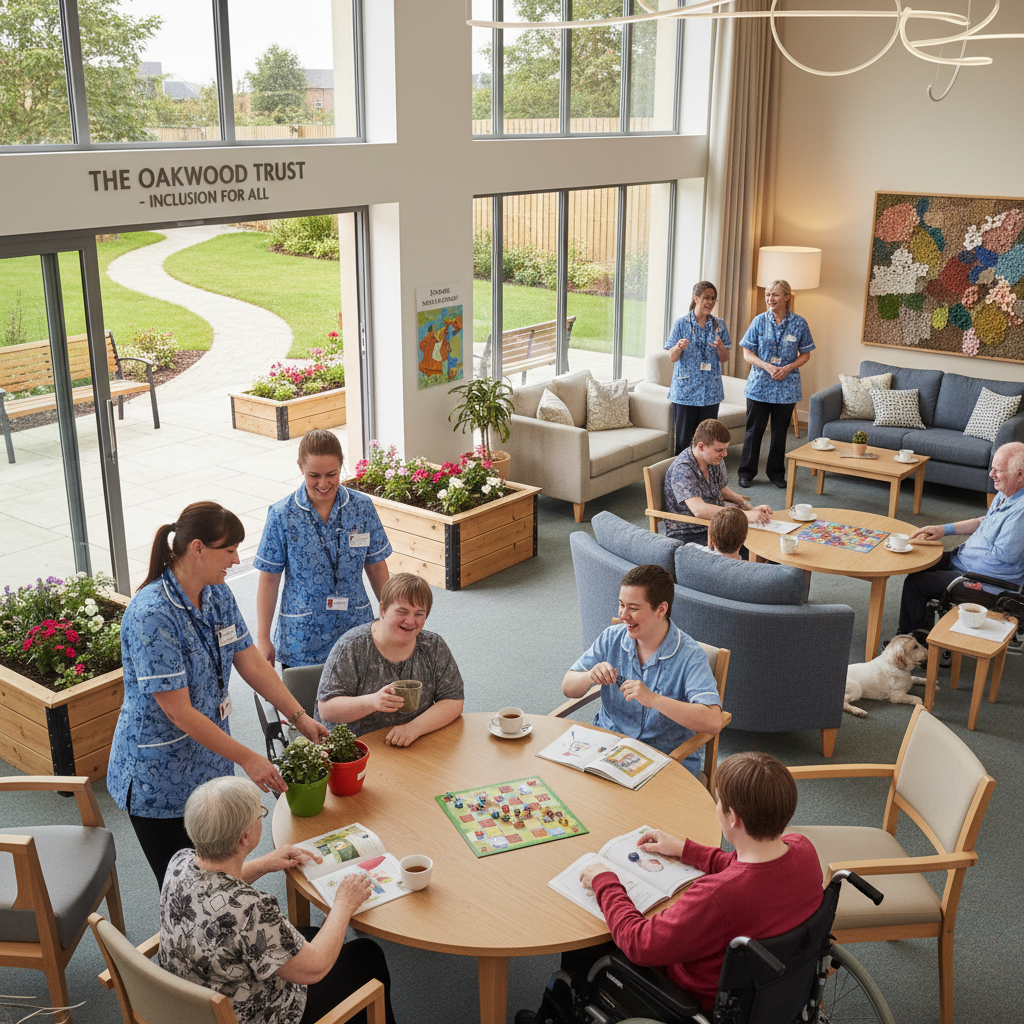
In recent years, the conversation around care homes for people with learning disabilities has oscillated between the ideal of integration and the reality of segregated living. Despite policy directives advocating for inclusive care, too many individuals remain in environments that stifle their potential and isolate them from the community. This post explores the implications of continuing such practices and the moral and regulatory responsibilities that care providers hold in this context.
The Case Against Segregation
Segregated living arrangements not only contravene the spirit of the Care Act 2014, but they also worsen the already challenging outcomes faced by individuals with learning disabilities. Evidence shows that such environments can lead to increased feelings of loneliness, decreased quality of life, and in some cases, deterioration in mental health. Care providers should be asking themselves: are we fulfilling our role in promoting the well-being and empowerment of the individuals we support?
Shifting Towards Integrated Models
The emphasis on integration is not just a regulatory preference, but a fundamental right for individuals with learning disabilities. Integrating people into community settings fosters independence, creates opportunities for social interaction, and enhances personal development. This shift necessitates a transformation in how we think about care provision — moving from simply meeting needs to actively promoting inclusion and community engagement.
Regulatory Context and Compliance Challenges
The Care Quality Commission (CQC) has made it clear that its focus will be on the outcomes of care rather than the structures alone. Care providers must ensure that their services are designed not merely to comply with regulations but to enhance the lives of those they serve. This situation poses challenges, as many organisations have historically relied on established methods of care that may not align with current best practices.
In aligning with this integrated model, CQC-regulated providers must consider how they document care plans, employ staff, and engage with the community. Tools like the Governance Intelligence Panel within Policy Now can help organisations bridge compliance gaps by offering insights into previous ratings and governance risks, ensuring organisations stay aligned with regulatory expectations.
The Path Forward
Moving away from segregated care homes requires bold leadership and a commitment to change within organisations. It isn’t merely about meeting compliance standards; it’s about reshaping the narrative surrounding care for individuals with learning disabilities. Leaders must champion this cause by fostering a culture that prioritises inclusion both in policy and practice.
As we continue to dissect the future of care for individuals with learning disabilities, we must remember that compliance is not an end goal, but a means to ensure that every person is respected and empowered within their community. Ultimately, the conversation must shift from survival within systems to thriving alongside them.
Find out how Policy Now can help your organisation →
References & Further Reading
- https://www.gov.uk/government/publications/care-act-statutory-guidance
- https://www.cqc.org.uk/guidance-providers/adult-social-care/learning-disabilities-and-autism
- https://www.nice.org.uk/guidance/ng93
- https://www.skillsforcare.org.uk/Standards/Skills-and-Knowledge-framework/Working-with-people-with-learning-disabilities.aspx